
Guide to HR Portal Login | Simplifying Employee Management

The HR portal is an important tool for any modern business. Also, it’s a centralized spot that makes many HR tasks easier for employees and management. The HR portal login is an important part of this system because it gives you access to many features and functions to make things run more smoothly, communicate better, and make employees happier. In this blog, we’ll explore the importance of HR portal logins, features, benefits, and best practices to optimize their use. What is an HR Portal Login? An HR portal login is the entry point for employees and administrators to access an organization’s human resources management system. Also, this portal offers a personalized, secure environment where users can use various HR tools and resources. An HR portal login is an important part of modern workforce management because it allows you to view your payslips, leave requests, and sign up for benefits. Key Features of an HR Portal A strong HR portal has many features that employees and HR experts can use. Here are some of the most usual things you can do after logging in to the HR portal: Employee Self-Service You can view and get your payslips and tax forms. Update your personal information, including your address, contact details, and emergency contacts. Submit and track leave or time-off requests. Benefits Management Sign up for retirement funds, health insurance, and other benefits. Review and change the benefits you choose during open registration periods. Performance Management Set and track performance goals. Get access to feedback and performance reviews. Training and Development You can access e-learning courses and sign up for training programs. Keep a record of completed courses and certifications. Recruitment and Onboarding Submit your job applications and complete the onboarding documentation. Access orientation materials and schedules. Communication and Collaboration Receive announcements and updates from your company. Access team directories and internal communication tools. Compliance and Reporting Complete mandatory compliance training. Access HR reports and analytics to help with decision-making. Benefits of an HR Portal Login The HR portal login is a strategic asset for businesses aiming to improve their HR operations. It provides significant benefits for both employees and organizations. For Employees Convenience: Employees can access essential HR resources from anywhere, so they don’t have to go to the office or send long emails. Empowerment: Self-service options enable employees to handle their HR tasks independently. It is also to improve the employees’ satisfaction and autonomy. Transparency: Employees have clear access to their benefits, pay, and other HR-related information, which reduces confusion and errors. For Organizations: Efficiency: By automating routine HR duties, HR teams can concentrate on strategic initiatives and save time. Cost Savings: The reduction of manual processes minimizes administrative costs and also errors. Improved Communication: The organization ensures timely and consistent communication through a centralized platform. Data Security: Secure login protocols protect confidential employee and organizational data. How to Access an HR Portal Login A human resources portal is easy to use. Also, the typical steps are as follows: Secure Login Credentials: The HR or IT department will provide each employee with their login credentials. Navigate to the Portal: Click on the link to the company’s HR site you received via email or the intranet. Enter Credentials: Input the username and password into the designated fields. Two-Factor Authentication (if applicable): Enhance security by entering a code sent to your mobile device or email. Access the Dashboard: Upon logging in, users can navigate through the portal’s various sections to complete their intended tasks. Best Practices for Secure HR Portal Login Ensuring security is essential for any HR portal. Here are the best practices to provide a secure login experience: Use Strong Passwords: Make complex passwords by combining uppercase letters, lowercase letters, numbers, and special characters. Enable Two-Factor Authentication: Enhance your security by necessitating a second verification form. Avoid Public Wi-Fi: Use secure, private networks to prevent unauthorized access to the HR portal. Log Out After Use: It’s important to always log out of the site, especially when you’re on a shared device. Regularly Update Passwords: Passwords should be changed regularly to limit the danger of security breaches. Common Challenges and How to Overcome Them HR platforms are beneficial, but users may run into some problems. However, to deal with typical challenges, do the following: Forgotten Passwords: To reset your passwords, click “Forgot Password.” Also, ensure the email address linked to your account is updated. Technical Issues: If you are having trouble logging in or the system is down, contact the IT support team for help. Difficulty Navigating the Portal: Request training or access user guides to become familiar with the portal’s layout and features. Slow Loading Times: To boost performance, provide a consistent internet connection and clean the browser cache. Future Trends in HR Portal Logins Biometric Authentication: Technologies for fingerprint and facial recognition will improve security & streamline login. Mobile-First Design: HR portals will focus on developing mobile-friendly interfaces to serve users better on the go. AI and Chatbots: Real-time help and simplified navigation will come from intelligent virtual assistants. Integration with Other Tools: Easy connection with tools like Slack or Microsoft Teams will improve accessibility and performance. Conclusion Therefore, the HR portal login is essential for contemporary organizations. Also, it connects employees with HR resources and provides a secure, convenient, and effective platform. Moreover, HR portals empower employees and allow organizations to concentrate on growth and innovation. The portal is essential for streamlining operations and promoting a connected workplace, whether you are an employee viewing your payslip or an HR manager evaluating workforce data. In addition, as technology advances, HR portals’ capabilities will expand, creating more significant opportunities for efficiency, engagement, and success. Lastly, Now is the time to embrace these tools and unlock your workforce’s full potential. FAQ Is my data secure on the HR Portal? Yes, HR portals usually use encryption and other
HR Systems in the Philippines | Transforming Workforce Management

Technology is evolving fast, shaking things up for businesses worldwide, including the Philippines. One area that’s seeing a significant change is HR management, where new ideas and tools make a real difference. The Human Resource Information System (HRIS), also referred to as an HR system, combines technology and HR operations to improve decision-making, increase productivity, and streamline procedures. HR System Philippines has become an essential tool for businesses of all sizes, adapting to the unique challenges and opportunities in the local environment. The Role of HR System Philippines in Modern Organizations Modern organizations rely on HR systems to automate repetitive tasks, centralize employee data, and provide tools for strategic planning and analytics. In the Philippines, these systems are important for promoting employee engagement, assuring compliance with local labor laws, and growing the workforce. Key features of HR systems include the following: Payroll Management: Automating the computation of salaries, tax deductions, and the disbursement of benefits. Attendance Tracking: Tracking employee attendance using biometric systems or mobile applications. Recruitment and Onboarding: Streamlining the hiring process and facilitating the integration of new employees into the organization. Performance Management: Facilitating evaluations, providing feedback, and setting goals. Compliance and Reporting: Ensuring compliance with labor laws and creating reports for government agencies. HR Systems in the Philippine Context The Philippines offers a distinctive set of opportunities and challenges for HR management. Some of these are: Labor Law Compliance Comprehensive labor laws in the Philippines mandate specific benefits, including the 13th-month pay, night shift differentials, and mandatory contributions to agencies such as the Social Security System (SSS), PhilHealth, and the Pag-IBIG Fund. An HR system simplifies compliance by automatically calculating contributions and generating the necessary reports. Diverse Workforce The Philippines has a diverse workforce that includes workers in various industries, including agriculture, manufacturing, business process outsourcing (BPO), and retail. HR systems may help manage shift schedules for BPO employees or track seasonal workers in agriculture, among other industry-specific requirements. Remote Work and Hybrid Models The COVID-19 pandemic accelerated the implementation of hybrid models and remote labor. Companies can effectively manage remote teams by utilizing HR systems that offer cloud-based solutions and mobile access, which ensures seamless communication and productivity. Employee Engagement Filipino employees appreciate a strong sense of community and belonging. HR systems can enhance engagement through tools such as feedback surveys, recognition programs, and collaboration platforms. Benefits of Implementing HR Systems Efficiency and Productivity HR systems allow HR professionals to focus on strategic initiatives by automating routine duties, including payroll processing and attendance tracking. Accuracy and Compliance HR systems minimize errors in salary calculations and tax deductions, ensuring compliance with Philippine labor laws. Improved Decision-Making Advanced reporting and analytics tools facilitate data-driven decisions by offering insights into workforce trends. Enhanced Employee Experience Self-service portals empower employees to view their payslips, request leave, and update personal information. This functionality enhances transparency and boosts overall employee satisfaction. Scalability HR systems can expand as the organization grows to handle more complex processes and additional employees. Challenges in Adopting HR Systems Cost: Implementing an HR system can be expensive, especially for small and medium-sized enterprises (SMEs). However, many providers offer scalable solutions to accommodate various budgets. Resistance to Change: Employees and management may resist the change from manual to automated operations. Effective change management strategies and training can help to address this challenge. Integration with Existing Systems: Integrating a new HR system into existing software and processes can be difficult and time-consuming. Data Security: Protecting sensitive employee information is essential. Companies must ensure that their selected HR system complies with data privacy laws, including the Philippine Data Privacy Act. The Future of HR Systems in the Philippines HR systems in the Philippines are anticipated to integrate cutting-edge technologies like machine learning, artificial intelligence (AI), and predictive analytics as technology advances. Also, these innovations will drive organizational success and boost employee engagement and decision-making. AI and Machine Learning AI-powered chatbots can answer employee questions, whereas machine learning algorithms may predict workforce trends and identify high-performing employees. Integration with Wellness Programs HR systems are expected to integrate with wellness programs, promoting physical and mental health by providing counseling services, stress management tools, and fitness challenges. Enhanced Analytics Predictive analytics helps companies anticipate what their workforce will need, spot potential issues, and take steps ahead of time to address them. Conclusion Therefore, HR System Philippines is revolutionizing company HR practices by providing resources to increase employee happiness, streamline operations, and guarantee compliance. Organizations adopting these technologies will be better positioned as businesses evolve to attract top talent, promote innovation, and achieve long-term success. Despite ongoing challenges, the advantages of adopting an HR system significantly exceed the disadvantages, making it a valuable investment for businesses aiming to succeed in the competitive Philippine market. FAQ How do HR systems address data privacy in the Philippines? HR systems use security features such as encryption, access limits, and regular audits to ensure compliance with the Philippines’ Data Privacy Act (DPA). Companies must make sure the HR system they choose follows these guidelines. Are cloud-based HR systems popular in the Philippines? Yes, cloud-based HR systems are gaining popularity due to their accessibility, user-friendliness, and cost-effectiveness. These platforms enable businesses to access HR data from any location and provide regular updates to ensure compliance with local regulations. Can HR systems handle remote work setups? Yes, modern HR systems typically offer features for managing remote work, including: -Online time tracking. -Virtual performance evaluations. -Cloud-based tools for managing employee records and improving communication.
Definition of HR Automation | Everything You Need to Know
Learn the definition of HR automation and explore how it reshapes HR management for modern organizations. In today’s fast-paced business environment, organizations increasingly rely on technology to optimize their operations—and the human resources department is no exception. Also, HR automation uses software and technology-driven tools to streamline and manage routine HR tasks. What is the Definition of HR Automation? HR automation is the process of using software and technology to speed up and simplify human resource tasks. It automates repetitive, time-consuming tasks like hiring, performance management, onboarding, payroll processing, and compliance monitoring. The Fundamentals of HR Automation Recruitment and Onboarding: Onboarding platforms and applicant tracking systems (ATS) are examples of tools that simplify hiring and training procedures. Payroll and Benefits Administration: Automated payroll systems guarantee accurate tax computations, benefits tracking, and compensation. Performance Management: Automation helps track and analyze employee performance through standardized evaluations and real-time feedback. Employee Self-Service: Employees can submit requests, change records, and view their information through portals without assistance from HR. Compliance Management: Automation ensures adherence to labor laws and regulations by managing documentation and deadlines effectively. Advantages of HR Automation In addition to discussing the definition of HR automation, we list some of its advantages. Let’s take a look at the several ways that HR automation impacts your business operations and HR workflows overall. Time and cost savings HR automation can significantly reduce the time and cost of the multiple manual tasks that HR and leadership perform daily. Studies have also shown that it can reduce administrative expenses for companies by 49% and for HR specialists by 30%. Moreover, HR staff can concentrate on more strategic and value-added tasks that increase productivity and profitability for your company by automating and streamlining routine HR operations like data entry, employee onboarding, leave requests, and payroll processing. Enhanced productivity and accuracy Accuracy and productivity can improve via HR automation. In addition to being extremely time-consuming, manual data input and paper-based solutions are prone to errors. HR automation resolves these problems by ensuring data integrity and lowering the possibility of errors by automating data collection, storage, and retrieval. Furthermore, computerized HR workflows facilitate quicker and more efficient procedures, eliminating bottlenecks and boosting productivity. Increased data security and compliance Compliance with data protection requirements is important since many HR processes contain sensitive employee data, including payroll and visa information. Also, HR automation systems frequently have built-in security features that guarantee the confidentiality and security of employee data. Since HR automation maintains consistent processes and offers audit trails for HR workflows, it may help companies maintain compliance with internal rules, labor laws, and regulatory requirements. Data-driven decision making The great deal of data generated by HR automation can benefit strategic decision-making. Automated systems also offer thorough data and analytics on various human resources metrics, such as workforce demographics, training requirements, employee performance, and turnover rates. With these insights, HR departments and organizational leaders can identify trends, make data-driven decisions, and create HR strategies that work for their company. Scalability Your company’s HR requirements increase as it develops and grows. HR automation makes scalability possible, handling growing workforces, organizational configurations, and geographic locations without requiring a substantial investment in new resources. Automated HR systems can handle more employee data, complex tasks, and development within your company. Also, It guarantees that your HR procedures can adjust to modifications and efficiently facilitate your company’s growth without necessitating a corresponding rise in HR personnel or assets. Popular HR Automation Tools Applicant Tracking Systems (ATS): Streamlines recruitment and hiring. Payroll Software: Handles salary processing and tax compliance. HRIS (Human Resource Information Systems): Centralizes employee data and HR workflows. Employee Engagement Tools: Tracks engagement and collects feedback to enhance workplace culture. The Future of HR Automation HR automation’s reach is growing as technology advances. Personalized employee experiences, predictive analytics, and smart decision-making are made possible by artificial intelligence (AI) and machine learning (ML). A more data-driven, strategic HR function begins when these technologies are included in HR processes. Conclusion The definition of HR automation extends beyond simply using software. It’s about transforming HR operations to be more efficient, accurate, and employee-focused. By adopting automation, businesses can develop a more agile and effective HR function prepared to tackle the challenges of a dynamic workforce. FAQ What are the main benefits of HR Automation? HR automation offers several benefits: increased efficiency, accuracy, time savings, cost reduction, and a better employee experience. Also, it helps HR departments handle repetitive tasks more effectively and frees up resources for higher-value activities. What processes can be automated in HR? Standard HR processes that can be automated include: Recruitment and applicant tracking Employee onboarding Payroll processing and benefits administration Performance management and feedback Time and attendance tracking Compliance monitoring and reporting What tools are used in HR Automation? Popular HR automation tools include: Applicant Tracking Systems (ATS) for recruitment management Payroll software for salary processing and tax compliance HR Information Systems (HRIS) to centralize employee data Performance management tools to track employee performance and development Employee self-service portals for managing HR tasks How does HR Automation save time and reduce costs? By automating manual tasks, HR automation reduces the need for time-consuming paperwork and administrative work. For this reason, HR teams focus on more strategic tasks. Reducing errors and improving efficiency can also result in cost savings for organizations. Is HR Automation only for large companies? No, HR automation is beneficial for businesses of all sizes. While large companies may have more complex HR needs, small and mid-sized businesses can also benefit from automating essential HR functions to improve efficiency and reduce administrative workload.
Timekeeping System Philippines | Simplify Employee Tracking
Timekeeping System Philippines: Effective workforce management is essential for achieving business success. A strong timekeeping system has transitioned from a luxury to a necessity in the Philippines, where industries operate on varied schedules within a dynamic labor market. Such systems enhance the efficiency of attendance tracking, optimize payroll processes, and ensure adherence to labor regulations. As businesses increasingly embrace digital solutions, a well-implemented timekeeping system has proven vital for operational efficiency and employee satisfaction. What is a Timekeeping System? A timekeeping system is a digital solution that tracks employee work hours, attendance, and leave. These systems utilize modern technologies such as biometric scanners, mobile apps, and cloud-based platforms to ensure accurate and efficient management of employee time records. In the Philippines, timekeeping is essential for adhering to labor laws established by the Department of Labor and Employment (DOLE). From small businesses to large corporations, companies depend on timekeeping systems to maintain smooth operations and ensure fair compensation for employees. Features of Timekeeping Systems Biometric Authentication Biometric-based systems, including fingerprint and facial recognition technologies, provide reliable means for accurate employee identification. These systems prevent time fraud, such as buddy punching, and enhance overall workforce integrity and efficiency. Mobile Accessibility Many systems offer mobile applications that allow employees to log their work hours and attendance from remote locations. This feature is essential for remote and field-based workers. Integration with Payroll Systems Timekeeping systems typically integrate with payroll software, facilitating the automation of wage calculations while minimizing the potential for errors. Real-Time Monitoring Employers can monitor real-time attendance data, enhancing workforce management and facilitating timely, informed decision-making. Customizable Policies These systems enable organizations to establish policies for overtime, shift allocations, and leave management according to their specific requirements. Cloud Storage Cloud-based solutions provide secure data storage, enabling accessibility from various locations while minimizing the risk of data loss. Advantages of Implementing a Timekeeping System Accurate Attendance Tracking Manual processes can frequently lead to errors, which may result in payroll discrepancies. Implementing a timekeeping system ensures accurate attendance records, thereby reducing the potential for disputes. Enhancing Efficiency in Payroll Processing Implementing automated timekeeping processes enhances the accuracy of payroll calculations, ensuring that employees receive appropriate compensation for their work hours, overtime, and leave entitlements. Compliance with Employment Regulations In the Philippines, labor regulations mandate that businesses maintain precise employee records. A timekeeping system enables organizations to comply with these legal requirements and mitigate potential penalties. Improved Productivity Human Resources teams can direct their efforts toward strategic initiatives rather than dedicating extensive time to manual attendance tracking. This shift enhances overall productivity and allows for a more effective allocation of resources. Employee Transparency Timekeeping systems promote trust and transparency within the workplace by granting employees access to their attendance records. This access fosters accountability and enhances the overall organizational culture. Cost Savings Implementing automation in timekeeping processes can significantly lower administrative expenses and mitigate potential losses associated with human errors or fraudulent activities. The Importance of Timekeeping Systems in Labor Compliance in the Philippines The Philippines enforces comprehensive labor laws that govern work hours, overtime compensation, and holiday entitlements. A timekeeping system can facilitate compliance by ensuring precise record-keeping and automating calculations for benefits mandated by the Department of Labor and Employment (DOLE). Businesses must provide additional compensation to employees who work on holidays or designated rest days. Implementing an automated timekeeping system can streamline the calculation of these payments, ensuring that employees receive the compensation they are entitled to while helping businesses mitigate potential legal risks. Adapting Timekeeping Systems for Remote and Hybrid Work The increasing prevalence of remote and hybrid work arrangements in the Philippines has highlighted the necessity for flexible and efficient timekeeping systems. Leveraging mobile applications and cloud-based platforms allows employees to record their working hours and attendance accurately from any location. Additional features such as GPS tracking and facial recognition enhance timekeeping precision, even outside traditional office environments. A robust timekeeping system is vital for organizations embracing these flexible work models, as it promotes sustained productivity and ensures fair compensation for all employees. Conclusion A timekeeping system is more than just a tool; it is a strategic asset that significantly improves human resources management efficiency, accuracy, and compliance. Implementing a strong timekeeping system is essential for success in the Philippines, where labor laws are strict, and work arrangements are becoming increasingly diverse. Additionally, a timekeeping system enables businesses to prioritize growth while promoting a fair and productive workplace. It automates attendance tracking, ensures compliance, and encourages transparency. Investing in the right timekeeping system can enhance your workforce management and achieve operational excellence, regardless of whether you are a small business or a large corporation. FAQ How does a timekeeping system work?Timekeeping systems often use friendly tools like biometric devices, mobile apps, or web-based platforms to help employees clock in and out quickly. The information gathered is stored in a database, which HR and management can access to ensure smooth payroll processing and keep everything in line with compliance requirements. Why is a timekeeping system important for businesses?A timekeeping system makes tracking attendance easier, meaning fewer mistakes and a smoother payroll process! It helps ensure that everyone follows labor laws and boosts overall efficiency for your business. Plus, it builds a sense of transparency and trust between employers and employees, creating a positive work environment for everyone. Are timekeeping systems expensive?The cost of a timekeeping system depends on the features you need and the size of your business. If you’re a small business owner, you’ll be pleased to know there are some great, budget-friendly options. For larger organizations, there are advanced systems that can integrate well with everything you do. Plus, many providers offer flexible plans to fit just about any budget.
Purpose of HR Audit | Ensuring Compliance and Efficiency

Let’s explore the purpose of an HR audit. An HR audit systematically examines the HR department’s practices, policies, and procedures. It aims to identify gaps in these areas, allowing HR to prioritize improvements. Similar to other types of business audits, an HR audit is conducted to prevent errors and ensure that organizational goals are met. Value creation and Risk mitigation are the two main categories into which an HR audit may be divided. Risk mitigation focuses on legal matters and employee-related lawsuits that could put the company in trouble. On the other hand, Value creation is concerned with enhancing HR procedures and policies to optimize employee value. In addition, organizations can conduct HR audit either by engaging external consultants or utilizing their internal HR department. Purpose of HR Audit The purpose of HR audit is to identify and enhance gaps in HR-related areas. It assesses whether HR practices benefit or harm the organization. The audit goes beyond the typical hiring process and examines employee compensation, training, retention, relations, and other practices that impact employees within the organization. Here are some of the primary purposes of HR audit: Ensure compliance with regulations and regularly update them to avoid potential penalties. Design a fair and competitive employee compensation and benefits package. Become updated on the latest employment laws and trends. Identify the reasons for employee turnover to enhance retention efforts. Enhancing processes, procedures, organizational structures, and job descriptions. Identify employee grievances and address them effectively. Benefits and Purpose of HR Audit Human resources (HR) audits are not compulsory; organizations make strategic choices to enhance their HR efficiency and overall performance. In addition to this, there are important benefits and purposes of an HR audit: Identify the causes of the low productivity. The audit aims to identify potential bottlenecks, training deficiencies, and ineffective management practices that may obstruct productivity through a comprehensive analysis of HR processes, policies, and employee performance. This systematic evaluation will provide valuable insights for enhancing operational efficiency and fostering a more productive work environment. Secure a competitive advantage. HR audits provide organizations with a comprehensive assessment of their HR practices, including established benchmarks and best practices. This process identifies areas for improvement, strengthens HR capabilities, attracts high-caliber talent, and cultivates a positive employer reputation. Ensures compliance with updated laws and regulations HR audits assist organizations in staying compliant with evolving employment laws and regulations. This process helps identify non-compliance issues, allowing for timely corrective actions. Enhance strategies for talent acquisition. An HR audit looks into how things are going with hiring practices, checking out candidates, getting new employees settled in, and how the company presents itself to potential hires. It’s all about figuring out what’s working well and where there’s room for improvement. Minimizing employee turnover. Addressing gaps in compensation, career development, work-life balance, and employee engagement is important for boosting a positive workplace culture. Evaluating the factors contributing to employee turnover can enhance satisfaction and ultimately improve retention and workforce commitment. Improve safety standards within the workplace. Evaluating workplace safety practices, policies, and compliance with health and safety regulations is conducted systematically. This process involves identifying potential hazards, safety training gaps, and safety protocol deficiencies. Organizations can implement corrective actions to enhance workplace safety and ensure a secure environment. HR Audit Process We have completed the purpose of the HR audit and its benefits. Now, let’s learn about the HR audit process. HR audits help organizations evaluate their human resources policies and ensure compliance with regulations. Similar to financial audits, they involve a systematic review. To conduct an effective HR audit, follow these five steps: Set the HR Audit objectives The HR audit process’s primary objective is identifying gaps in existing HR practices and policies. The HR department should establish clear and measurable objectives to accomplish this. Also, the objectives for conducting an HR audit have multiple purposes, as there are various purposes for such assessments. These objectives could range from compliance with relevant regulations to effectively addressing employee relations matters. Match the objectives of the HR audit with the organization’s strategy Once the objectives of the HR audit have been defined, it is essential to ensure that the planning and timing align with the overall business strategy. A lack of alignment between HR objectives and business goals can lead to structural disarray and create discrepancies between organizational expectations and the actual performance of HR departments. Prepare a rough audit plan Outlining the HR department’s objectives is essential before commencing the HR audit process. In developing an initial HR audit plan, please consider the required workforce, projected costs, and the technology necessary for successful implementation. Collect data through data compilation techniques Both external and internal factors influence the HR auditing process. Internal factors encompass company policies, employee skills, and strategic initiatives, while external factors include the legal environment, industry competency standards, and other relevant considerations. Various data compilation techniques, including interviews, task forces, questionnaires, and observation methods, can be employed during this process. Compile and analyze the data The data collected in the preceding step offers a comprehensive overview of the current state of the business and the human resources (HR) function. Also, this information enables HR to identify staffing trends and address significant issues requiring prioritization. By representing this data through trend lines, statistical correlations, and frequency distributions, HR can effectively discern specific trends and patterns for further analysis and action. Create a comprehensive audit report This step involves enhancing the initial HR audit plan and preparing an audit report. Collect data on all HR functions across various departmental areas. An HR audit report should describe all HR activities, highlighting practical and ineffective practices. These reports are presented to top management so they can develop action plans to address the issues identified in the audit. Conclusion An HR audit aims to inspire compliance with laws and regulations while driving organizational efficiency. Businesses can uncover opportunities, mitigate risks, and refine processes by systematically evaluating HR policies, practices, and systems. This proactive strategy
HR Management System | Modern Solutions for Employee Management
An HR Management System (HRMS) is an advanced software solution that enhances and automates various human resource processes. It includes multiple functions such as recruitment, onboarding, payroll processing, attendance tracking, and performance evaluations. Organizations can significantly improve workforce management efficiency and effectiveness by utilizing an HRMS. Moreover, since HR-related costs are among a company’s most significant expenses, integrating a Human Resource Management System (HRMS) with the accounting system is essential for finance teams. Leading providers offer more than basic accounting services; they enable companies to gain deeper financial insights from HR data. HR Management System VS HR Information System A key function of HRIS is the electronic recording and management of employee records. Therefore, HR professionals commonly refer to HRIS as the process of converting human resources records and reporting into electronic formats through software. As technology has advanced and the scope of systems has broadened beyond the mere management of employee records, the Human Resource Information System (HRIS) has evolved into what is now referred to as the Human Resource Management System (HRMS). In contemporary usage, these terms are often used interchangeably to describe software systems that document employee information and facilitate the automation of HR processes within an organization. Why HRMS is important? An HR Management System (HRMS) is vital for businesses as it streamlines and simplifies complex human resource processes. Here’s why it is important: Streamlines HR Operations This system automates various tasks, such as payroll processing, attendance tracking, leave management, and recruitment. This automation effectively minimizes manual effort and reduces the potential for errors. Enhances Efficiency Centralized data storage facilitates expedited access to employee records, policies, and reports, enhancing efficiency for Human Resources teams. Improves Compliance Maintains compliance with labor laws and regulations by implementing automated updates and ensuring documentation accuracy. Boosts Employee Engagement Self-service portals empower employees to oversee their profiles, monitor performance, and submit leave applications, promoting organizational transparency. Supports Strategic Decision-Making The advanced analytics and reporting capabilities offer valuable insights into workforce trends, facilitating improved planning and informed decision-making. Cost-Effective Automating repetitive human resources tasks significantly diminishes administrative burdens and reduces overhead costs. Functions of an HR Management System Candidate management: Employment offers to candidates are influenced by how you promote your brand externally. And current employees who might want to apply for internal positions or make referrals. Also this is especially critical for companies that prioritize the candidate experience. Employee engagement: Engaged employees produce higher-quality work and align more closely with the company’s values and vision. Their connections with leadership and colleagues are essential. The Human Resource Management System (HRMS) facilitates training, skill development, career path planning, recognition, and mentorship. Employee management: This function, known as “core HR,” offers a centralized portal for analysis, reporting, and compliance. It helps organize the workforce into departments, establish reporting relationships, and align payroll with accounting while supporting employee self-service and improving HR service delivery. Payroll: The Human Resource Management System (HRMS) primarily calculates earnings, manages deductions, and reliably issues payments. Payroll functions encompass benefits and costs for employees and employers. Full-service solutions automate tax filing and deposits, while self-service features enable employees to change deductions, update direct deposit accounts, and access earning statements without HR assistance. Workforce management: Human Resources teams employ this system to monitor employee development, assess managerial evaluations, and record disciplinary actions and attendance. It supports a safe work environment through features for compensation planning, performance management, and incident reporting. Human Resources can also implement automated timesheet frameworks and approve overtime regulations, streamlining the performance review process and enhancing goal management. Contingent workforce management: Effective workforce management is vital for companies that rely on more than full-time employees. Contractors, consultants, interns, and temporary staff provide specialized skills and support during peak demand. Although a Human Resource Management System (HRMS) doesn’t entirely manage these relationships—since many aren’t on the payroll or eligible for benefits—their contributions are significant. HR Management System Features Benefits administration: This department supports HR professionals in planning, configuring eligibility rules, and processing payments to benefits providers. It also offers self-service open enrollment and integrates benefit costs with accounting. Centralized employee records: This system provides a centralized storage solution for all documents, ensuring they are consistently stored, updated, and maintained. It enhances reporting capabilities and reduces costs associated with compliance and audit preparations. Reporting and analytics: This system generates operational reports to monitor HR information, support compliance reporting, and establish key performance indicators (KPIs) for evaluating HR processes. It also integrates HR metrics into financial dashboards for company-wide analysis and decision-making while providing the capability to create ad hoc reports. Talent acquisition: Recruiters can create company websites and intranet career pages, establish job requisitions and descriptions, and integrate open positions with job boards. They manage resumes, track applicants, extend job offers, conduct background checks, administer pre-employment screenings, and create application forms before handing new hires over to a generalist or hiring manager for onboarding. Talent management: HR professionals can assess and enhance employee performance through performance reviews, goal management, and competency and skills test administration. Time and attendance: This system can process time-off requests and manage time-off balances, employee scheduling, and absence management. User interface: A user-friendly interface is essential for a human resource management system (HRMS) accessible to the workforce. Modern systems include employee and manager self-service, mobile applications, localization, personalized dashboards, workflow automation, role-based access controls, and notifications to enhance employee engagement and reduce inquiries to Human Resources or Information Technology departments. Workforce planning: Enables planning and budgeting for workforce costs while measuring expenditures for present and future scenarios. It can also help identify skill gaps, develop succession plans, and prioritize recruitment efforts. Conclusion In summary, an HR Management System is an essential resource for modern organizations. It optimizes human resources operations and enhances efficiency. Automating payroll, attendance, and performance tracking reduces errors and saves time. Centralized data and advanced analytics facilitate informed decision-making and promote employee engagement. Investing in an HR Management System fosters a productive, compliant workplace and drives organizational growth. FAQ Can an HR Management System integrate with other tools? Yes,
Employee Handbook Acknowledgement | HR Policy Guide

In the Philippines, an employee handbook is an important document that covers company policies, job expectations, and employee rights and responsibilities. The HR employee handbook acknowledgement is a formal declaration that an employee has received, read, and understood the handbook’s contents. This acknowledgment is essential for compliance, transparency, and legal protection for employers and employees. Understanding the Employee Handbook Acknowledgement What is an Employee Handbook? An employee handbook, often known as an employee manual or company handbook, is a document that HR provides to all employees. Also, it includes essential information about the company’s goal, vision, and workplace policies and procedures. An employee handbook should include the following major areas: Code of Conduct and Ethics Workplace Rules and Regulations Compensation and Benefits Working Hours, Overtime, and Leaves Performance Evaluation and Career Growth Health and Safety Policies Disciplinary Procedures and Termination Policies Employee Rights and Responsibilities Why is an Employee Handbook Important? The handbook serves multiple purposes, such as: Guarantee employees understand company policies and expectations. Protecting the company from legal disputes by setting clear guidelines. Promoting a healthy and productive work environment. Enhancing consistency in policy implementation across all employees. What is an Employee Handbook Acknowledgement? An Employee Handbook Acknowledgement is a signed document indicating that an employee received, reviewed, and agreed to follow the handbook’s policies. This form is also an essential component of HR documentation, as it is important in ensuring the compliance of policies and the protection of the rights of both employers and employees. Legal Importance of Employee Handbook Acknowledgement Employers can establish workplace policies and expectations based on Philippine labor laws, including the Labor Code of the Philippines and relevant regulations issued by the Department of Labor and Employment (DOLE ). Employees verify their comprehension and agreement to adhere to the company’s policies by signing an acknowledgment form for the employee handbook. This document may also be legal proof for company policy and regulatory disputes. Key Elements of an Employee Handbook Acknowledgement Form A comprehensive employee handbook acknowledgment form includes: Employee’s Full Name Position/Department Date of Receipt Statement of Understanding Acknowledgment of Compliance Company Disclaimer Employee Signature and Date HR Representative’s Signature and Date Best Practices for HR in Implementing Employee Handbook Ensure Handbook Accessibility HR should guarantee that employees have easy access to a copy of the manual, whether in physical or digital form. Some organizations offer PDF versions, while others upload them to their internal portal. Conduct Orientation and Training Simply providing a handbook is insufficient. HR should organize onboarding sessions or training programs to clarify relevant regulations and resolve employee concerns. Require Employees to Sign the Acknowledgement Form The acknowledgment form must be signed by each new employee during the onboarding process. Existing employees should sign a new acknowledgment form for any major updates to the handbook. Regularly Update the Handbook Employment laws and workplace policies change over time. Moreover, Human Resources should regularly review the employee handbook and update it as needed to align with changes in labor laws or company policies. Maintain Proper Documentation HR should keep signed copies of acknowledgment forms in the employee’s personal file. Also, it guarantees that the company has proper documentation in case of a dispute or policy violation. Clarify That the Handbook is Not a Contract To avoid legal complications, the handbook should explicitly state that it is not an employment contract and does not alter an employee’s at-will status unless otherwise stated in their employment agreement. Frequent Challenges and Solutions Employees Refusing to Sign HR should corroborate that the handbook was provided to the employee by having a witness sign a statement and document the refusal to sign the acknowledgment form. A refusal to sign does not exempt an employee from complying with company policies. Disputes Over Policy Changes Changes to the handbook may be challenged by employees. To solve this, HR should guarantee clear communication about policy updates and allow employees to ask questions or raise concerns. Legal Compliance Issues A company may face legal consequences if it does not align its handbook with Philippine labor laws. To prevent this, HR should consult legal experts or refer to DOLE guidelines when drafting or updating the handbook. Conclusion Therefore, an HR employee handbook acknowledgment is vital for ensuring workplace transparency, compliance, and legal protection in the Philippines. It is a formal record that employees have received and understood company policies, helping employers enforce workplace rules effectively. Additionally, maintaining an established, regularly updated employee handbook may help HR professionals avoid misunderstandings, promote organizational harmony, and give legal protection in case of a dispute. FAQs What is an Employee Handbook Acknowledgement? The Employee Handbook Acknowledgement confirms that an employee has received, read, and understood the company’s policies and guidelines outlined in the handbook. Am I required to sign the Employee Handbook Acknowledgement? Yes, most companies require employees to sign the acknowledgment form to confirm they understand company policies. Refusing to sign may have consequences depending on company policy. Why is signing the acknowledgment form important? Signing the form ensures that employees know company policies, workplace expectations, and compliance requirements. It also serves as a legal record for the employer. Where can I get a copy of the employee handbook? You can request a copy from HR or access the latest version on the company’s internal portal or website. Who should I contact if I have questions about the handbook? If you have any questions, contact your HR representative for clarification.
Human Resources Employee Handbook: Onboarding Guide
A well-structured Human Resources Employee Handbook Onboarding Guide facilitates a smooth transition for new employees within an organization. Also, this guide ensures newcomers comprehend company policies, expectations, and workplace culture. A comprehensive onboarding process significantly enhances employee engagement and improves retention and productivity. The HR Employee Handbook is a key component of the onboarding process because it includes essential information on the company’s policies, workplace ethics, code of conduct, and benefits. The onboarding process generally encompasses orientation sessions, completing the necessary paperwork, training programs, and introductions to essential team members. Moreover, HR professionals must develop a structured onboarding experience that promotes a sense of belonging and provides clarity for new hires. Additionally, integrating the Human Resources Employee Handbook with a detailed HR Onboarding Guide allows companies to establish an effective and positive work environment that benefits employees and the organization. What is a Human Resources Employee Handbook? A Human Resources Employee Handbook is a comprehensive document outlining a company’s policies, procedures, and employee expectations. Also, it includes information on workplace conduct, compensation, benefits, attendance, safety guidelines, and legal compliance. Additionally, it standardizes policies to promote fairness and consistency across the organization. Also, by providing clear guidelines, an employee handbook creates a positive work environment, enhances communication, and reduces the chances of workplace disputes. Moreover, it is an essential tool for employers and employees to maintain a well-structured and compliant workplace. Importance of a Human Resources Employee Handbook Legal Compliance: Guarantees compliance with Philippine labor laws, including the Labor Code of the Philippines and the guidelines of the Department of Labor and Employment (DOLE). Clarity of Policies: Provides clear guidelines on workplace rules, code of conduct, benefits, and grievance procedures. Consistency: Helps maintain uniformity in employee management and expectations. Reference Tool: Reduces confusion by answering common employee questions about company policies and procedures. Key Sections of a Human Resources Employee Handbook Company Overview *Mission, vision, and values *Company history and goals *Corporate structure and leadership Employment Policies *Recruitment and selection process *Employment classifications *Equal employment opportunity policies Compensation and Benefits *Salary structure and pay periods *Overtime, night shift differentials, and holiday pay *Government-mandated benefits (SSS, PhilHealth, Pag-IBIG, 13th-month pay, etc.) *Company-provided benefits Workplace Conduct and Code of Ethics *Attendance and punctuality policies *Dress code and workplace behavior *Anti-discrimination and harassment policies Leave Policies *Vacation leave, sick leave, and special leave benefits *Maternity and paternity leave *Emergency leave and other types of leave entitlements Workplace Safety and Security *Occupational health and safety guidelines *Emergency procedures and first aid protocols *Data privacy and security policies Grievance and Disciplinary Policies *Procedures for reporting workplace concerns *Disciplinary actions and due process *Termination and resignation guidelines Technology and Social Media Policies *Use of company-owned devices and email accounts *Cybersecurity policies and online behavior guidelines *Restrictions on social media posting about the company What is an Onboarding Guide? An onboarding guide is a structured document or resource created to help new employees integrate into their employment. Also, it provides essential data such as company policies, culture, employment objectives, and training requirements. Then, pre-boarding processes, first-day instructions, IT setup, HR paperwork, benefits registration, and mentorship programs are common topics included in the handbook. It also provides deadlines, checklists, and frequently asked questions to ensure a smooth integration. Moreover, an onboarding guide enhances employee engagement, boosts productivity, and reduces the time needed to become fully effective by providing clear guidance. Furthermore, a well-crafted onboarding guide ensures new hires a positive experience and long-term success. Key Benefits of a Comprehensive Onboarding Strategy Faster Integration: Helps new hires become familiar with their roles quickly. Higher Retention Rates: Employees who undergo structured onboarding are likelier to stay with the company longer. Improved Productivity: Proper onboarding ensures employees understand their tasks and responsibilities from day one. Stronger Company Culture: Reinforces organizational values and work ethics early on. Key Stages of the Onboarding Process Pre-boarding Sending welcome emails with company information Providing necessary paperwork Giving a mentor or buddy for new hires Setting up the new employee’s workstation and credentials First Day Orientation Welcome speech from HR or management Company introduction and office tour Distribution of Employee Handbook Overview of company culture and values Training and Role Familiarization Job-specific training sessions Introduction to team members and supervisors System and software training (e.g., payroll system, email setup) Safety and compliance training First Week Engagement Setting performance expectations Assigning small projects or tasks Encouraging interaction with colleagues Best Practices for Employee Onboarding in the Philippines Ensure Compliance with Labor Laws Align onboarding processes with the Labor Code of the Philippines. Provide clear documentation on government-mandated benefits. Leverage Technology Use HR management systems for digital onboarding. Implement e-learning modules for training sessions. Personalize the Onboarding Experience Assign mentors for guidance. Create interactive onboarding activities. Encourage Open Communication Foster a welcoming environment for new hires to ask questions. Gather feedback on the onboarding process and make improvements. Track and Measure Onboarding Success Conduct surveys to assess employee satisfaction. Monitor retention rates and performance of new hires. Conclusion Therefore, a comprehensive Employee Handbook and a well-structured Onboarding Guide are essential for creating a productive and compliant workplace in the Philippines. Also, these documents provide clarity, set expectations, and improve employee engagement from the beginning. Lastly, by implementing best practices and technology, companies can develop an efficient onboarding experience supporting long-term success. FAQ What is the purpose of this handbook? This handbook outlines company policies, employee rights, and workplace expectations. It also ensures consistency, compliance, and clear communication between employees and management. Moreover, by guiding benefits, conduct, and procedures, the handbook fosters a positive work environment and helps employees navigate their roles effectively. What does the onboarding process include? The onboarding process includes pre-boarding paperwork, orientation, HR compliance, IT setup, job training, and mentorship. It also familiarizes new employees with company policies, culture, and
HR Online Tracking System | Manage Employees Effectively
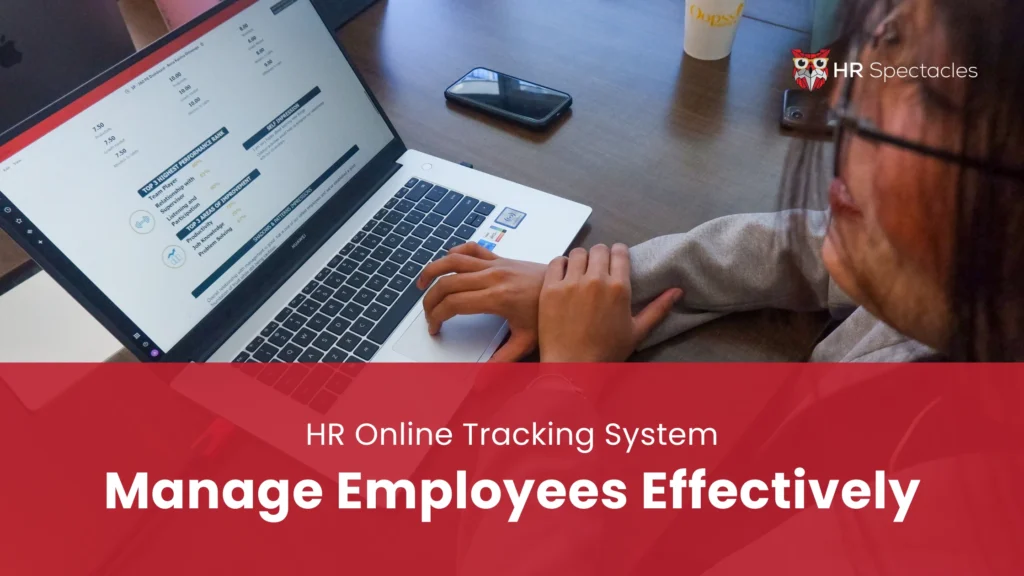
This blog explores how the HR Online Tracking System transforms workforce management within organizations. This technology streamlines key HR functions through a centralized platform, including recruitment monitoring, performance assessment, and compliance oversight. The system enhances efficiency, accuracy, and productivity by offering features such as real-time analytics and employee self-service. It alleviates administrative burdens and ensures effective data management, while integration with other tools provides a comprehensive solution for HR teams focused on improving decision-making and employee experiences. Adopting an HR online tracking system optimizes human resources practices for modern businesses. What is an Online Tracking System? An Online Tracking System (OTS) is a comprehensive digital platform created to assist organizations in monitoring, managing, and optimizing various human resources processes. It utilizes advanced algorithms, cloud computing technology, and user-friendly interfaces to deliver real-time insights and actionable data. Whether tracking applicants during the recruitment phase or assessing employee performance metrics, an online tracking system enables human resources teams to enhance accuracy and operational efficiency. In contrast to traditional manual processes, an OTS centralizes data, facilitating seamless access and integration across various human resource functions. This system eliminates redundant tasks, minimizes human error, and ensures compliance with relevant labor laws and regulations. Features of an Online Tracking System Modern online tracking systems offer various features designed to meet the diverse needs of organizations. Applicant Tracking: The hiring process is streamlined through the automation of job postings, the evaluation of resumes, and the organization of interviews. Performance Monitoring: This position monitors employee objectives, evaluates performance metrics, and offers analytical insights for professional growth and development. Attendance and Leave Management: The system tracks work hours, absences, and leave periods to ensure precise and accurate payroll processing. Compliance Tracking: Maintains comprehensive records of certifications, training accomplishments, and compliance with workplace policies. Employee Self-Service Portals: Allow employees to easily update their personal information, submit leave requests, and access payslips. Incorporating an online tracking system constitutes a vital resource for organizations aiming to maintain a competitive edge within the digital marketplace. Advantages of Implementing an OTS The implementation of an online tracking system presents numerous benefits for Human Resources departments and organizations as a whole. Improved Productivity: By automating routine tasks, human resources teams can concentrate on strategic initiatives, including talent development and enhancing organizational culture. Enhancing Data Accuracy: The system minimizes manual errors, improving data reliability for informed decision-making. Cost Savings: Automation significantly reduces the administrative expenses linked to conventional human resources processes. Real-Time Analytics: This resource offers immediate access to essential metrics, enabling prompt and well-informed decision-making. Secure Compliance: Facilitates compliance with labor legislation and industry regulations, reducing legal risks. These advantages highlight the value of investing in an OTS for businesses aiming for operational efficiency. Tips to overcome challenges in Implementing an OTS Despite all of its benefits, implementing an online tracking system is challenging. These include data security issues, staff resistance to change, and initial setup costs. Here are some strategies for managing issues: Conduct Research: Choose a system that aligns with your organization’s requirements and budgetary constraints. Provide Training: Train employees and managers on how to use the system effectively. Ensure Strong Security Measures: Collaborate with trustworthy vendors, prioritizing data protection and adhering to privacy regulations. By following these tips, businesses can minimize the potential negative effects of an online tracking system while maximizing the benefits. The Future of Online Tracking Systems in HR The progression of online tracking systems demonstrates robust momentum, with no indications of a deceleration. Advancements in artificial intelligence, machine learning, and predictive analytics are rendering these systems increasingly sophisticated and adaptive. Future innovations are anticipated to encompass enhanced personalization, more profound integration with other business tools, and advanced analytical capabilities to forecast workforce trends. Furthermore, the increasing prevalence of remote work has heightened the demand for comprehensive tracking systems designed to accommodate distributed teams. Features such as virtual onboarding, remote performance evaluation, and global compliance management are expected to become integral components of the next generation of online tracking systems. Conclusion In the fast-paced world of human resources, an online tracking system is not just a tool but a game-changer. These systems streamline processes, enhance accuracy, and provide valuable insights that drive organizational growth, covering everything from recruitment to compliance. As technology continues to evolve, the impact of online tracking systems on the future of HR will only become more significant. Lastly, adopting an OTS is essential rather than optional for organizations aiming to thrive in the digital age. This approach fosters a more efficient, compliant, and employee-focused workplace, laying the groundwork for long-term success. FAQ How do I choose the right HR online tracking system for my business? When selecting a system, you must consider your unique human resources requirements, the system’s scalability, budgetary constraints, ease of use, integration capabilities, and the quality of customer support offered by the vendor. Are HR online tracking systems secure? Reputable systems prioritize data security by implementing encryption, regularly updating, and adhering to data protection regulations. Selecting a trusted vendor is essential to guaranteeing strong security measures. Can an HR online tracking system integrate with other tools? Yes. Most systems are designed to integrate seamlessly with payroll software, learning management systems, and other human resource tools, facilitating a cohesive HR management experience.
What is HRIS? A Guide to Modern HR Management

HRIS is a Human Resources Information System software that helps human resources professionals manage and store employee data. HRIS systems can automate HR processes such as payroll, benefits, performance reviews, and training records. The two pillars upon which an HRIS is based also establish the basis for managing people and policies to enhance overall organizational effectiveness. The Two Pillars of HRIS Organizational design Human Resources Information System comprises reporting hierarchies, roles, and functions from a systemic approach. By establishing the organizational structure, HRIS establishes a path for operational functionality, consistency, and identifiable accountability. The appropriate HRIS enables you to tackle business challenges by assisting in placing qualified personnel. To achieve your strategic objectives, your HRIS can assist you in creating a workforce that consists of the right individuals with the right talents, working in the proper functions and under the right structure, by managing recruitment and acquisition data consistently and automatically. Employee data management The HRIS offers each employee a thorough perspective, including name, address, date of hire, pay, benefit choices, and more. It is comparable to customer relationship management but uses an employer/employee context. If you have the right data, you can work with your employees more effectively, help them create career plans, discover the correct training, and improve their performance. The HRIS allows self-service, reporting, and record-keeping to be automated and standardized. This can result in more accurate and current information management, which boosts productivity and offers workers convenience and use. HRIS Features A standard Human Resource Information System encompasses fundamental features that support key functions such as recruitment and talent acquisition, compensation management, organizational management, and absence management. Furthermore, additional functionalities can be integrated to better align with specific business requirements. The system fosters standardization and consistency throughout the organization by automating human resources-related tasks and facilitating self-service access to procedures and policies. This enhances operational efficiency within the HR department and improves the overall employee experience. All individuals employed within the organization are considered users of the Human Resource Information System by their employment status. However, the primary users of the HRIS consist of human resources administrators, payroll specialists, talent management specialists, and recruiters. A significant aspect of these roles involves regular engagement with the HRIS as an integral part of their job responsibilities. The Challenges of Human Resources Systems Every business is unique and faces its challenges. Your HRIS should effectively address these concerns. Here are some of the most common HRIS challenges. Privacy and security Protecting employee data privacy and security is crucial in a Human Resource Information System. These systems need to be strongly protected since they hold much sensitive data. Companies have to implement cutting-edge solutions that limit access to data for which users do not have the necessary authorizations. They also allow users to access only the information required for their tasks. Regulations and compliance Regulations must also be in line with HRIS data access guidelines. Every company needs to ensure that its HRIS continues to adhere to constantly evolving rules. This is especially difficult for businesses that operate internationally. The system’s usefulness and functionality depend on each user being able to conduct transactions swiftly and conveniently without breaking any laws or confidentiality agreements. Business disruption The frequent updates and changes to HRIS features can pose challenges for organizations. Keeping abreast of these upgrades can be difficult in a rapidly evolving environment. Furthermore, many options may require more than selecting the most suitable HRIS. It is essential to prioritize a system that aligns with the organization’s strategic objectives rather than becoming focused on extraneous features. Factors in Choosing the Best HR Information System The solution should comprehensively address all aspects of human resource management. This includes the processes of recruitment, onboarding, learning and development, succession planning, and the HR help desk. As organizational needs evolve, it is essential to have access to a comprehensive, end-to-end solution that effectively addresses all these areas. What serves your requirements today may not adequately meet your needs in the future. The solution should integrate into a broader enterprise system connecting HR and finance. Labor constitutes a significant cost factor in organizations, and personnel decisions have financial implications. Companies must see their workforce, financial resources, and relationships. The most effective Human Resource Information System is integrated with the financial function, ideally operating on the same platform and utilizing the same technology as the company’s finances. Conclusion To summarize, companies that want to maximize HR operations, increase employee satisfaction, and maintain their competitiveness must implement a strong HR information system. An HRIS helps businesses succeed in the long term by coordinating workforce management with organizational objectives and making HR tasks easier. FAQ What’s the difference between HRIS, HRMS, and HCM? Human Resources Information System (HRIS) focuses on core HR functions like payroll, employee data management, and compliance. Human Resource Management System (HRMS) includes HRIS functions plus tools for talent management and strategic HR tasks. Human Capital Management (HCM) encompasses HRMS and adds workforce planning and analytics to provide a more comprehensive approach. Can an HRIS help with remote workforce management? Yes, an HRIS is ideal for managing remote teams. It provides tools for time tracking, virtual onboarding, performance management, and communication. How often should an HRIS be updated? Most HRIS platforms receive regular vendor updates to include new features, enhance security, and adapt to changing regulations. Ensure your system remains current to maximize its effectiveness.